I Deserve to Know: Katiba Institute, CAJ Take Access to Information Conversations to Dagoretti
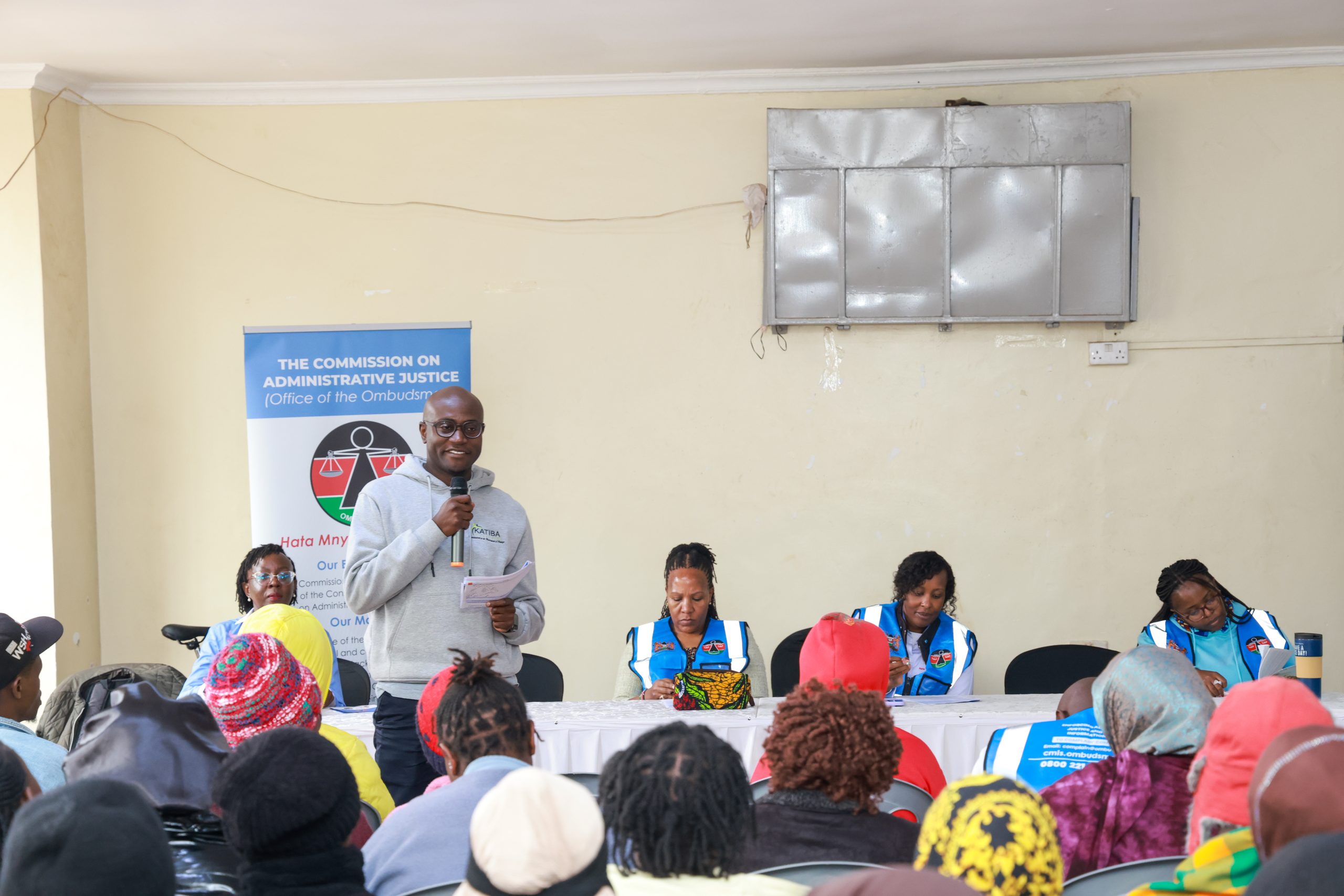
As part of activities to mark the International Day for Universal Access to Information (IDUAI), Katiba Institute (KI), in partnership with the Commission on Administrative Justice (CAJ) and Uhai Wetu, held a public sensitisation forum on 21 September 2026 at the Dagoretti South Empowerment Centre in Nairobi, with support from UNESCO.
The forum brought together community members to discuss their rights when interacting with government institutions, with a focus on the role of CAJ, the right to fair administrative action and the right to access information.
Participants were taken through the mandate of CAJ and how the Commission can assist members of the public who experience challenges when seeking government services or information. The discussions also addressed the right to fair treatment in government offices, including what people can do when they experience delays, are ignored, treated unfairly or denied services.
A key focus of the engagement was Article 35 of the Constitution, which guarantees every citizen the right to access information held by the State, and the Access to Information Act, 2016, which provides the legal framework for exercising this right.
Participants discussed what information they can request from public institutions, who they can approach, how to make an information request and the steps they can take when information is denied or delayed.
The forum also provided an opportunity for community members to share their experiences. Residents highlighted challenges including difficulties obtaining information from government offices, delays in accessing services, limited awareness of available procedures and other barriers that make it difficult to exercise their rights.
Speaking during the forum, Katiba Institute’s Head of Communications and Knowledge Management, Kevin Mabonga, emphasised that access to information must be understood as a practical right that enables people to participate in public affairs and access essential services.
“The right to access information is not simply about obtaining documents from government offices. It is about people having the information they need to understand their rights, access public services, participate in decisions that affect them, and hold public institutions accountable.”
Mabonga said Katiba Institute has made access to information an important part of its constitutional and human rights work, using Article 35 to promote transparency, accountability, public participation and good governance.
“KI has made access to information requests to public institutions on matters of public interest and, where necessary, pursued available mechanisms for redress,” he said.
He noted that KI has also undertaken public education and capacity-building with communities, civil society organisations, journalists and public officials, while developing practical resources to help people understand and exercise their right to information.
“Access to information only becomes meaningful when people know their rights, know where to seek information and have practical avenues for redress when information is denied or delayed,” Mabonga said.
The engagement also highlighted the particular barriers faced by vulnerable and marginalised groups, including persons with disabilities, and people with limited digital access Participants noted that limited awareness, accessibility challenges and digital exclusion can prevent people from effectively exercising their right to information.
The Dagoretti forum underscored the importance of taking constitutional rights education closer to communities and creating spaces where people can share their experiences and learn about available mechanisms for seeking information and redress.
The engagement formed part of broader activities to mark IDUAI 2026, reinforcing the importance of universal access to information as a foundation for accountability, participation, access to public services and good governance.
#IDUAI2026 #IDUAI #AccessToInformation