Katiba Institute warns MPs over National Infrastructure Fund Bill’s devolution risks
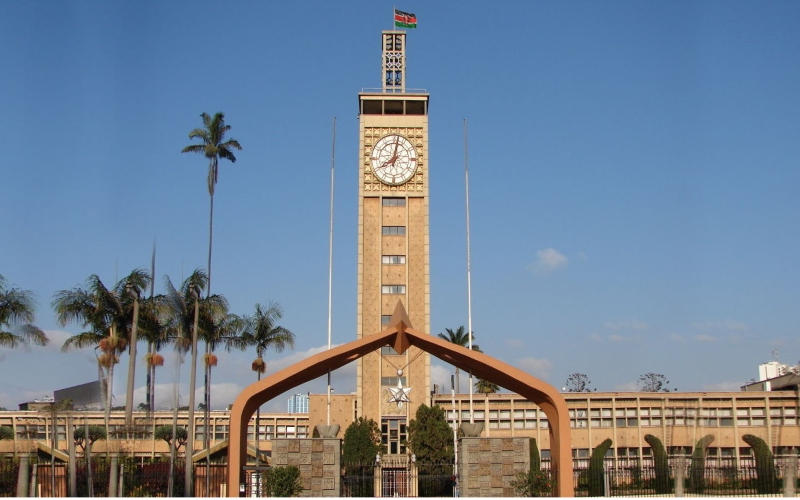
The National Infrastructure Fund (NIF) Bill, 2026, is facing scrutiny from constitutional and public interest groups, which have highlighted areas that could conflict with Kenya’s legal framework and devolution principles.
Katiba Institute (KI) engaged the National Assembly Departmental Committee on Finance and National Planning on Thursday, pointing out several clauses that need urgent review to prevent potential constitutional breaches.
Representatives from the Institute, Henry Gichana and Beth Odek, urged lawmakers to resolve these gaps before the Fund is formally established. “The Bill is a commendable step in ensuring that public funds are established under the Authority of an Act of Parliament as is required under Article 206(1)(a) of the Constitution,” Gichana said.
“However, the Bill raises constitutional and rule of law concerns in the manner in which it is set to be enacted, in its substance and in the manner it is intended to be managed,” he added.
KI flagged that certain provisions could interfere with the responsibilities of county governments. “The scope of infrastructure projects intended for implementation under the Act extends into functions constitutionally reserved for county governments,” the experts said.
They also noted that although the Bill will influence county finances, it is currently classified as not concerning county governments, potentially bypassing the Senate’s role.
The Bill’s approach to public debt also drew attention.
“The Clause states that one of the purposes of the Fund is to reduce reliance on public debt for financing commercially viable infrastructure investments. While this objective is commendable, all matters relating to public debt have implications for both national and county governments, as they directly affect the revenue available for sharing under Article 202 of the Constitution,” Gichana explained.
To bring the Bill in line with constitutional requirements, KI recommended either formally classifying it as a Bill concerning county governments to seek Senate concurrence or reducing its scope to remove references to borrowing and government-backed measures that could affect county budgets.
The Institute also raised concerns about the level of parliamentary supervision.
“In addition to this, there is a general concern that while the Constitutional scheme of national revenue, borrowing and expenditure emphasises parliamentary pre-authorisation and oversight, not enough measures have been included in the Bill to guarantee closer Parliamentary oversight or expenditure control through institutions such as the Controller of Budget,” they said.
Given that the Fund could manage hundreds of billions of shillings, KI stressed the need for strict oversight.
“Without stringent controls, the Fund could significantly alter Kenya’s fiscal risk profile outside the standard national budget and expenditure processes,” the Institute warned.
Kituo Cha Sheria also submitted proposals, urging that the Fund be statutory and operated in accordance with the Public Finance Management Act.
They suggested amending Clause 5(c) to require Parliament’s prior approval for all borrowing and revising Clause 12 to subject all investments to the Public Procurement and Asset Disposal Act. The NGO further recommended Controller of Budget approval for all withdrawals and regular audits by the Auditor General.
“This will help to uphold constitutional safeguards under Articles 228 and 229 and prevent off-budget expenditure,” they said.
This article was first published by Eastleigh Voice
Image: FILE
Related Articles:
- National Assembly approves Singapore-inspired Sh5 trillion National Infrastructure Fund
- Address the role of counties in Infrastructure Fund law, MPs told
- Treasury CS Mbadi defends National Infrastructure Fund as tool for efficient national growth
- NIF Bill 2026 Faces Constitutional Scrutiny Over Debt, Devolution Concerns